
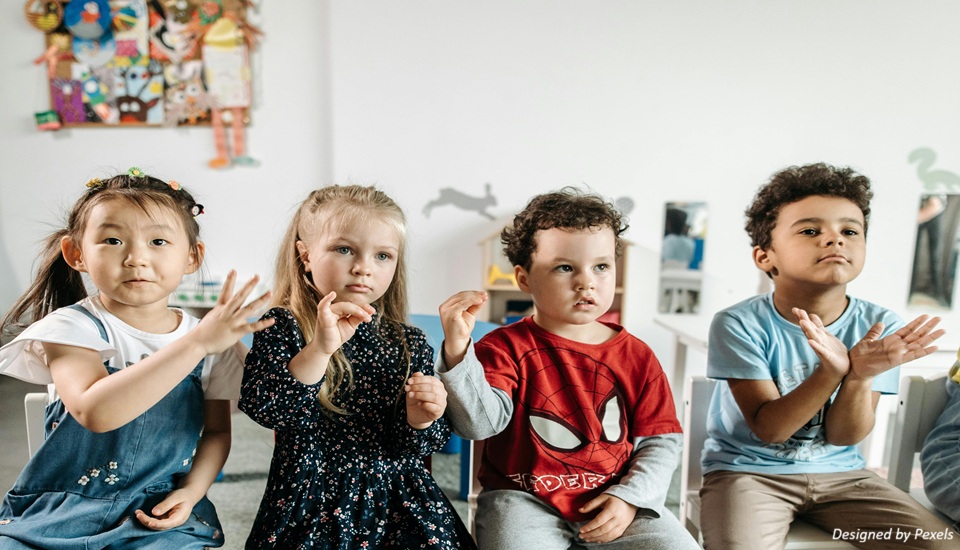
Have you ever noticed a child who keeps to themselves, avoids eye contact, or seems emotionally distant despite being surrounded by peers?
It’s easy to label such children as “shy,” “difficult,” or “withdrawn”, but bonding challenges often have deeper psychological roots.
Understanding why some children don’t bond easily is essential for educators, counselors, and leaders who want to create emotionally safe learning environments.
In fact, strong communication techniques for school managers play a critical role in identifying, supporting, and guiding such children early.
In this blog post, let’s unpack the psychological reasons behind bonding difficulties, and explore how adults can respond with empathy rather than assumptions.
What Does “Bonding” Really Mean in Childhood?
Bonding is not about a child being cheerful, talkative, or socially confident. It is about emotional safety, the inner belief that an adult or peer is reliable, understanding, and responsive. When children bond successfully, they feel secure enough to explore, make mistakes, express emotions, and seek help when needed.
Healthy bonding develops through consistent care, predictable responses, and emotional attunement. A child who feels understood learns that relationships are safe. When this foundation is weak or disrupted, bonding becomes cautious or delayed—not because the child lacks emotion, but because their emotional system is prioritizing protection over connection.
6 Psychological Reasons Why Some Children Don’t Bond Easily
Bonding challenges rarely stem from a single cause. They usually result from a combination of emotional experiences, neurological differences, and environmental factors.
Let’s look at each in depth.
1. Early Attachment Experiences
Attachment forms in early childhood through repeated interactions with caregivers. When care is consistent, nurturing, and responsive, children develop secure attachment. When care is unpredictable, emotionally unavailable, or inconsistent, children may develop insecure attachment patterns.
Children with insecure attachment may appear distant, overly independent, or resistant to closeness. This isn’t rejection, it’s a learned survival response. Their emotional system has learned that relying on others may lead to disappointment, so bonding feels risky.
Over time, these patterns can carry into school relationships unless addressed with patience and consistency.
2. Temperament and Personality Differences
Not all children are wired the same way. Some are naturally cautious, sensitive, or slow-to-warm. These children process stimulation deeply and may feel overwhelmed by loud environments, fast-paced interactions, or large groups.
Such children often bond best in quiet, predictable settings and may prefer deep connections with one person rather than many surface-level interactions. When pressured to “open up” quickly, they may withdraw further.
Understanding temperament helps adults respond with respect rather than frustration.
3. Trauma or Stressful Life Events
Trauma, whether obvious or subtle, can significantly impact a child’s ability to bond. Events like family separation, loss, chronic stress, neglect, or instability can teach a child that closeness leads to pain.
As a result, the child’s nervous system remains on high alert. Bonding requires vulnerability, and vulnerability feels unsafe. These children may appear emotionally numb, overly guarded, or hyper-independent.
Trauma-informed responses focus on restoring safety before expecting connection.
4. Communication and Language Barriers
Bonding relies heavily on communication. When children struggle to express emotions, thoughts, or needs, due to language delays, speech challenges, or multilingual environments, connection becomes frustrating.
A child who cannot explain how they feel may withdraw rather than risk misunderstanding. Repeated communication failures can lead to emotional shutdown, even when the desire to connect exists.
Supporting communication through visuals, gestures, patience, and alternative expression methods helps rebuild emotional bridges.
5. Neurodevelopmental Differences
Children with autism, ADHD, sensory processing differences, or social communication challenges often bond in ways that don’t match typical expectations. Eye contact, physical closeness, or verbal expression may feel uncomfortable or unnecessary to them.
This does not mean they lack attachment. It means their bonding style is different. Many express connection through shared interests, routines, or parallel play rather than emotional conversation.
Recognizing these differences prevents misinterpretation and builds respectful relationships.
6. Fear of Rejection or Negative Past Experiences
Some children deeply want to bond but are afraid to try. Past experiences of bullying, exclusion, criticism, or rejection teach them that connection leads to pain.
To avoid being hurt again, they may preemptively withdraw, act indifferent, or test relationships repeatedly before trusting. This push-pull behavior is often misunderstood as disinterest or defiance.
In reality, it reflects a child protecting their emotional well-being.
Why Schools Play a Crucial Role in Emotional Bonding
Schools are powerful emotional environments. For many children, they are the first space where relationships extend beyond family. Daily interactions with teachers and peers can either reinforce safety or deepen emotional withdrawal.
A school culture that prioritizes emotional wellbeing—through empathy, consistency, and understanding, can significantly reshape a child’s bonding capacity. Educators who recognize emotional cues and respond calmly help children relearn that relationships can be safe.
Leadership, policies, and staff communication strongly influence this emotional climate.
How Adults Can Support Children Who Struggle to Bond
Supporting bonding is not about forcing interaction, it’s about earning trust.
Children bond when adults:
- Remain emotionally predictable
- Listen without rushing to fix
- Respect emotional boundaries
- Acknowledge feelings as valid
- Offer choices rather than demands
- Allow the connection to grow at the child’s pace
Small, consistent gestures, remembering preferences, offering reassurance, celebrating effort, build emotional safety over time.
The Role of Communication in Understanding Children Better
Children may not articulate their emotional needs directly, but their behavior constantly communicates. Withdrawal, silence, resistance, or emotional outbursts are all forms of communication.
Adults who develop emotional listening skills can decode these signals and respond thoughtfully instead of reactively. This requires intentional communication practices, empathy, and self-awareness.
Strengthening communication frameworks within schools helps ensure that children are supported emotionally, not labeled or overlooked.
Final Thoughts
Children who don’t bond easily are not broken, they are communicating in the only way they know how. When adults replace assumptions with understanding, distance with patience, and pressure with empathy, bonding begins to feel safe again. Investing in emotional awareness, leadership sensitivity, and effective communication courses online empowers educators and school leaders to create environments where every child feels secure enough to connect.
Frequently Asked Questions (FAQs)
1. Is difficulty bonding always a behavioral problem?
No. Bonding difficulties are often rooted in emotional, psychological, or neurological factors rather than deliberate behavior issues.
2. Can a child who doesn’t bond easily still form healthy relationships later?
Yes. With emotional safety, patience, and supportive environments, children can gradually develop strong and secure bonds.
3. Does trauma always affect a child’s ability to bond?
Not always, but trauma can significantly influence emotional trust and connection, especially if it remains unaddressed.
4. How can teachers support children who struggle to bond?
By building trust slowly, avoiding pressure, using empathetic communication, and creating predictable classroom routines.
5. Are bonding difficulties common in neurodiverse children?
Yes. Neurodiverse children often bond differently, not less deeply, and may express connection in non-traditional ways.
6. Should adults force social interaction to encourage bonding?
No. Forced interaction can increase anxiety. Bonding develops best when children feel safe and respected.
7. Can communication strategies improve emotional bonding in schools?
Absolutely. Thoughtful communication helps adults understand emotional cues and respond in ways that build trust.
8. When should a child’s bonding difficulty be a concern?
If emotional withdrawal is persistent, distressing, or affects daily functioning, professional guidance may be helpful.